Shaping a Design Culture @ ArcelorMittal Systems
A strategic initiative that established the first UX Design team within the technology division of one of the world’s largest steel producer, introducing a new way of thinking about design in industrial contexts.
problem
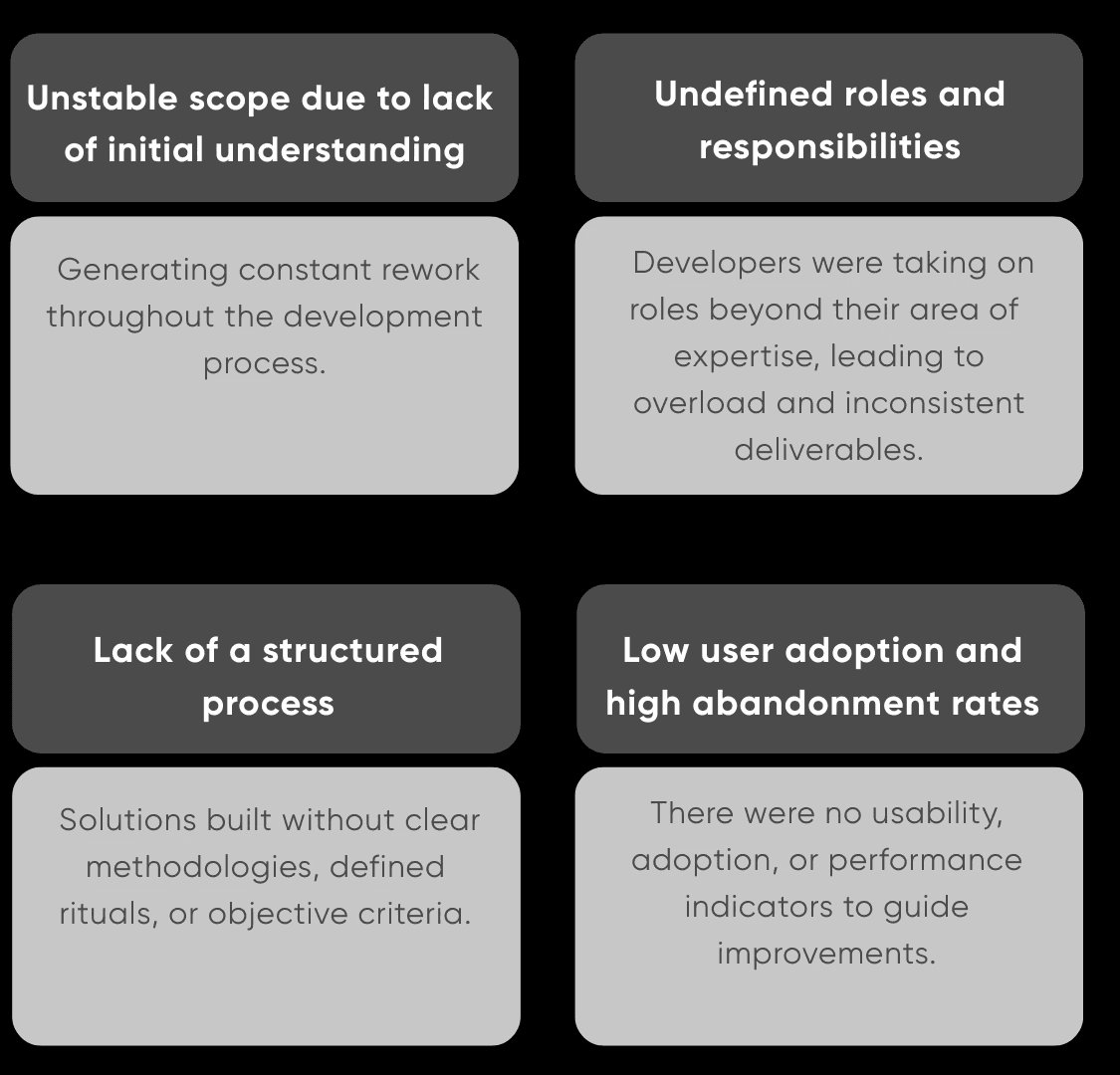
As ArcelorMittal Sistemas expanded its role from providing IT support for corporate platforms - like SAP and Microsoft - to also developing in-house digital solutions for industrial operations, the organization faced a major gap: its applications were being designed without design. Engineers and programmers built systems and automations, but without UX expertise, the interfaces were inconsistent and confusing. The lack of user-centered design led to low adoption rates, inefficiency, and a growing demand for usability improvements across digital tools.
solution
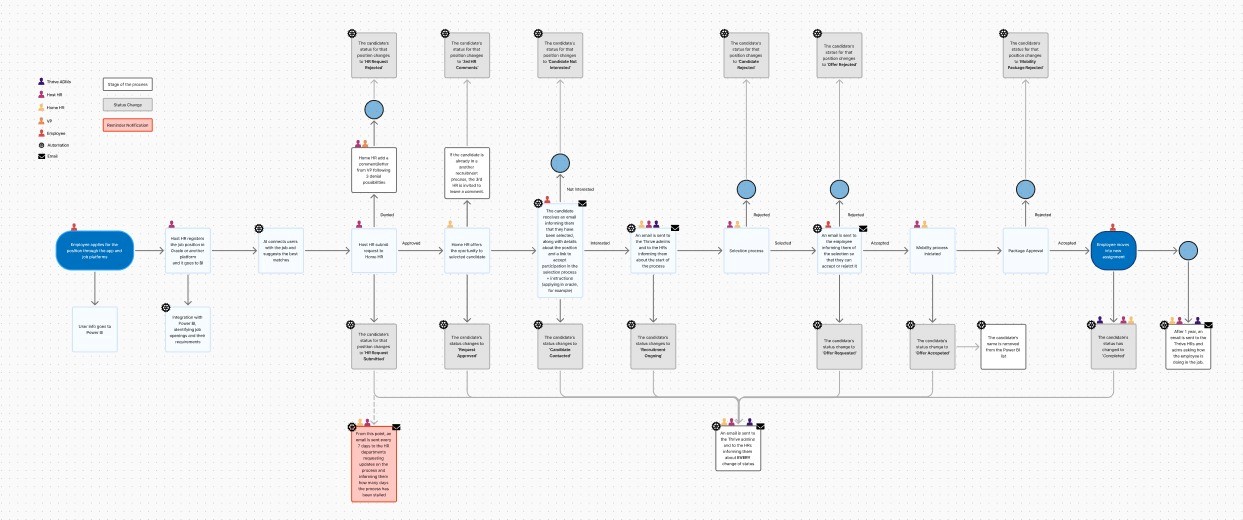
To address this, I led the creation of the company’s first UX Design team, establishing a new operational framework for experience design within a highly technical environment. Using a DesignOps approach, I built foundational processes for research, prototyping, and validation, and introduced a scalable Design System to unify the interface language across industrial applications. By embedding UX into agile workflows and fostering a shared understanding of user value among developers and leaders, design evolved into a core principle shaping how digital products are conceived and delivered.
00

Discovery & Diagnosis
To understand the team’s reality, interviews were conducted with:
4 developers
2 project managers
2 area managers
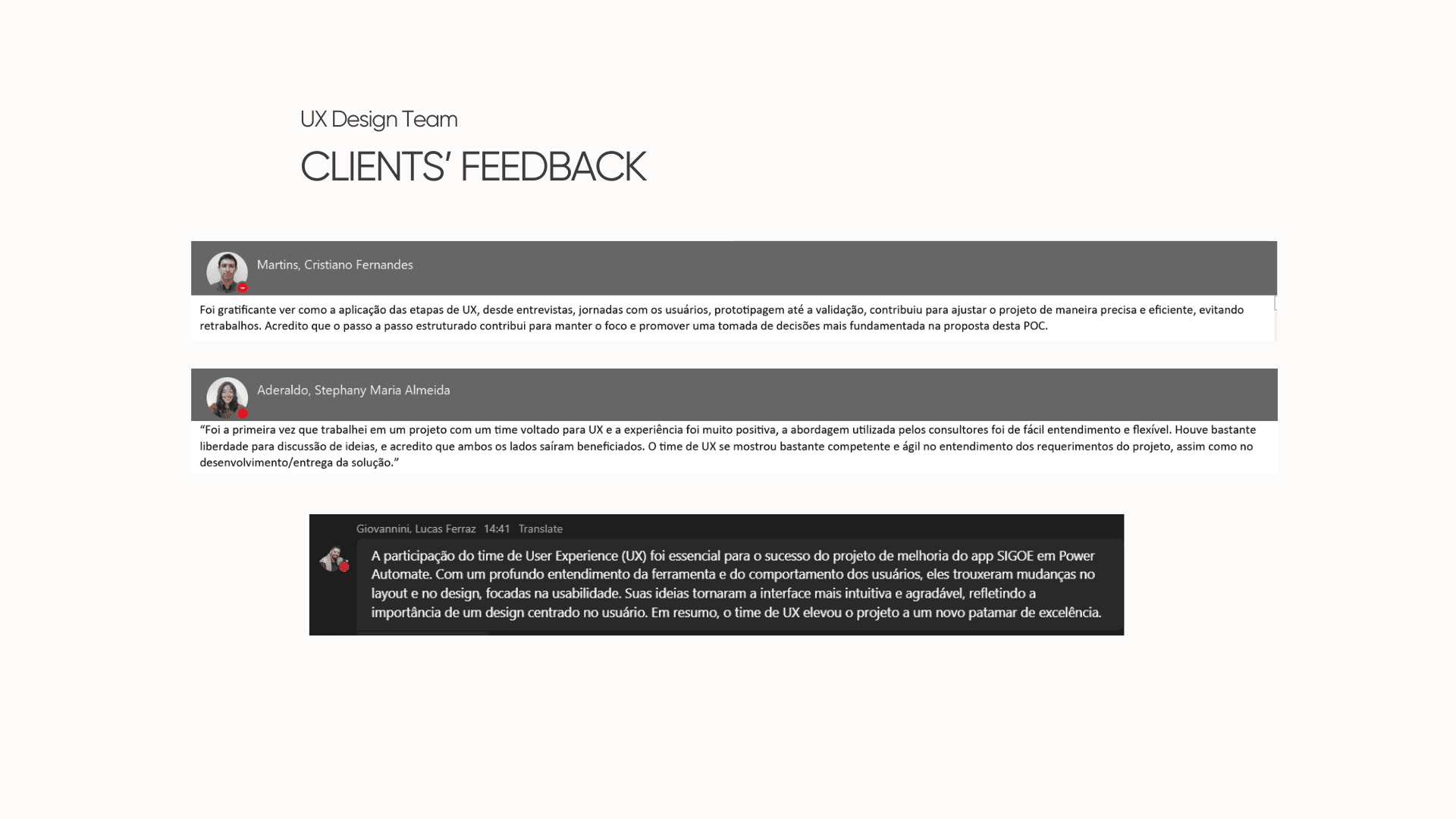
4 clients
This phase also included the analysis of development workflows,
and evaluation of product performance data.
Insights
Benchmarking
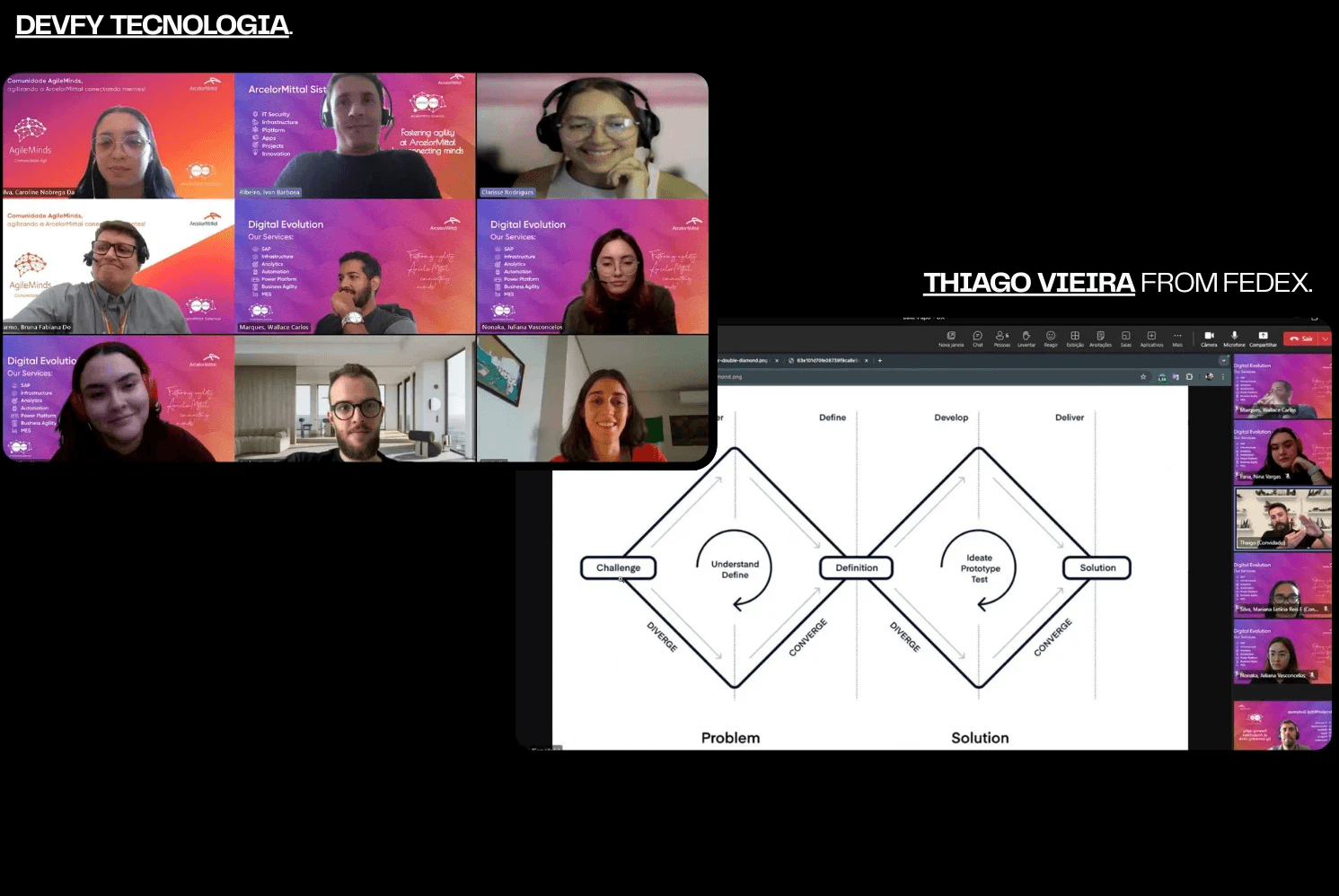
We conducted benchmarking with other companies through dedicated meetings to understand how their UX structures, governance models, and workflows were organized.
Implementation
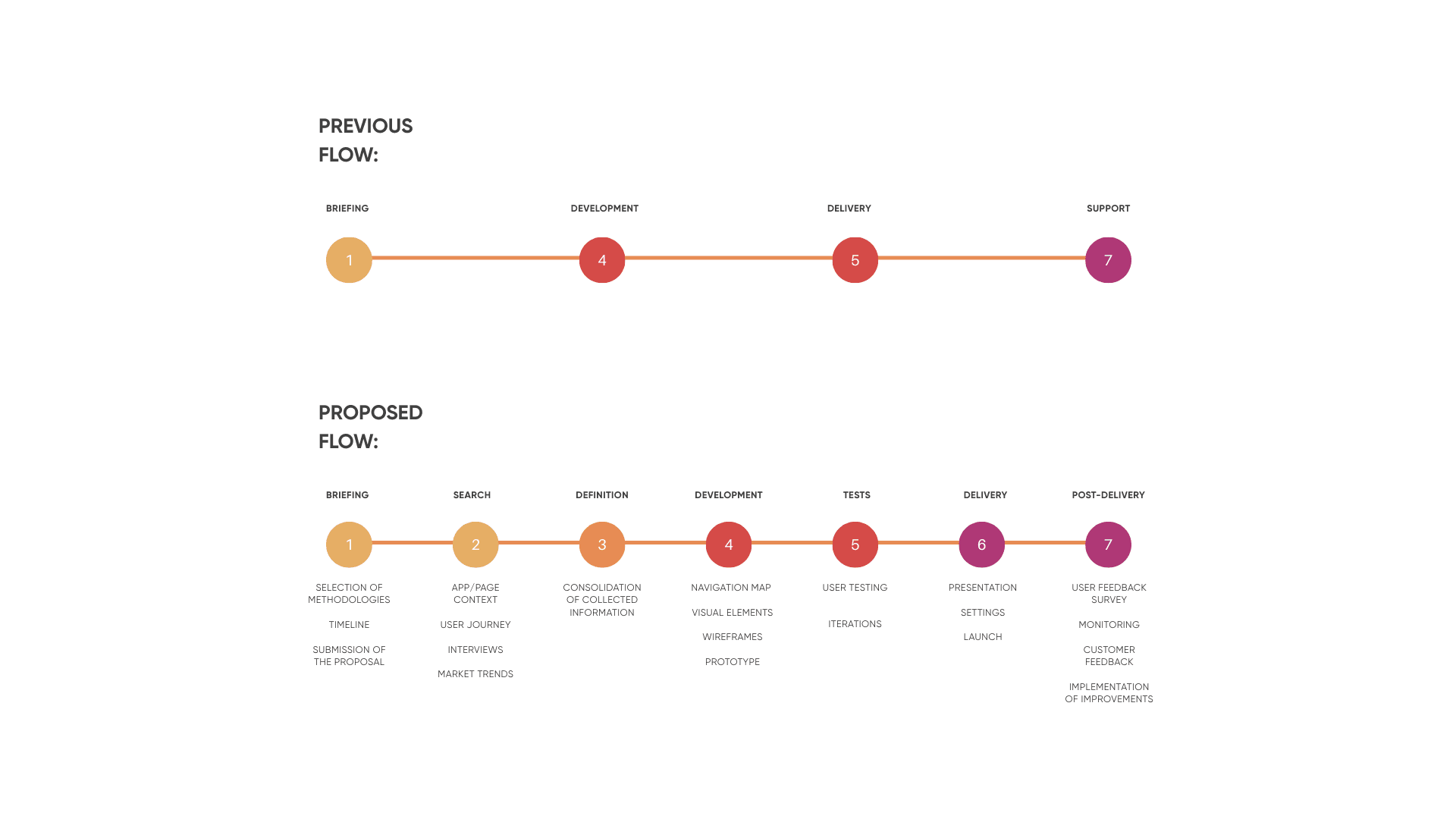
I applied DesignOps practices to define processes, roles, rituals, and documentation standards, ensuring scalability, consistency, and stronger integration between design and development.
Our main challenges included:
Cultural resistance to user-centered practices.
Limited understanding of UX’s strategic role.
Documentation development considering the
already existent development documentation.
Impact
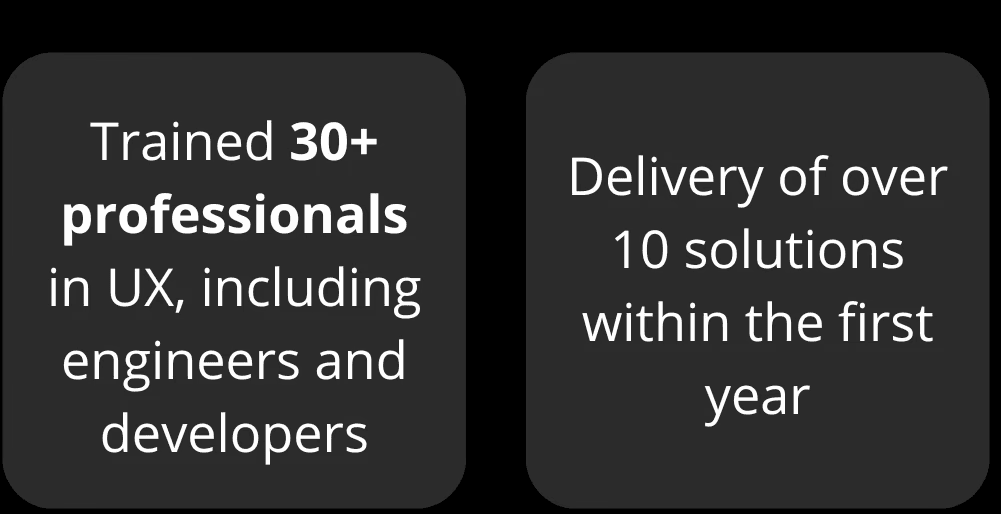
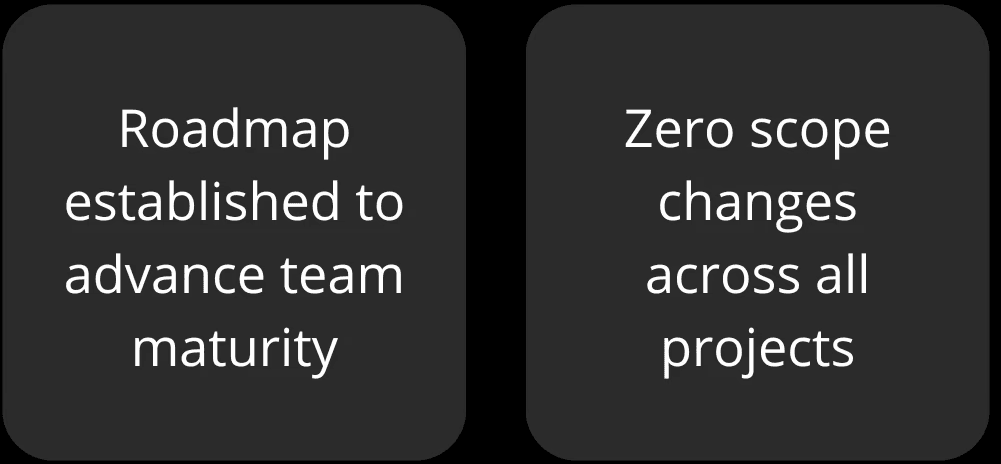
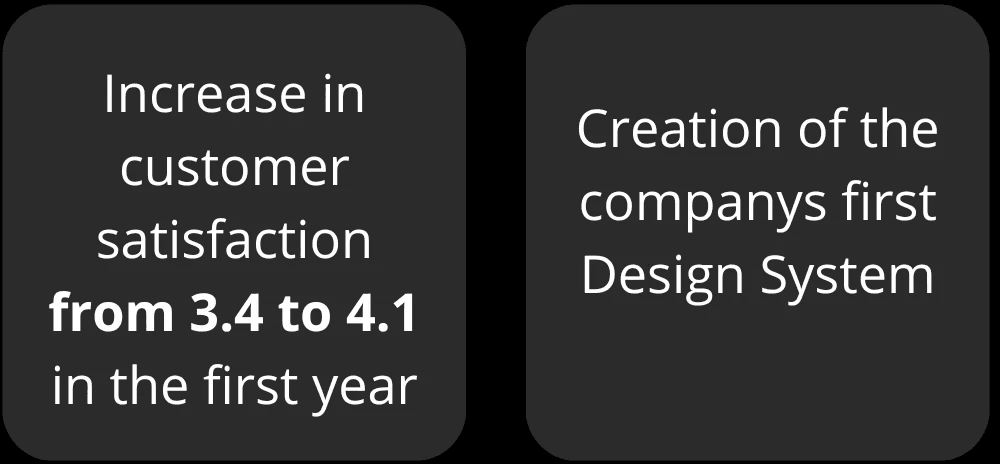
year
2024
01
02
03